
This Is What an Engineer Looks Like
Aviation runs on engineering, yet the people doing that engineering still don't reflect the population. According to EngineeringUK, women make up just 17% of people working in engineering and technology roles in the UK, compared with 56% across other occupations.
Pooleys Ambassador Krystina Pearson-Rampeearee knows what that gap feels like. She is a chartered aerospace engineer with over 12 years in the aviation industry, the first engineer in her family, and one of the Department for Transport's 13, 2023 Aviation Ambassadors. We asked her to share her experience.

"You don't look like an engineer"
I didn't realise the scale of the gender gap in engineering until I went to university and found myself one of only two women on my aerospace engineering course.
After graduating, whenever I told people I was an engineer, most of the time I got the same response: "Oh, but you don't look like an engineer."
At first I brushed it off, but it kept happening. And the more it happened, the more I understood what it meant. When people pictured an engineer, they pictured someone who did not look like me. The stereotype was so automatic that people said it out loud without realising.
That is the problem with stereotypes. They are not just offensive, they are limiting. Every time a young girl hears that engineers don't look like her, a door closes a little. Not because she is being told she can't do it, but because she can't see herself doing it.
Women who paved the way
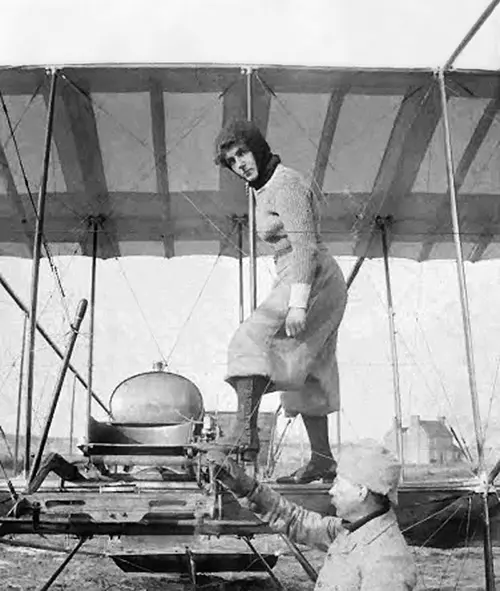
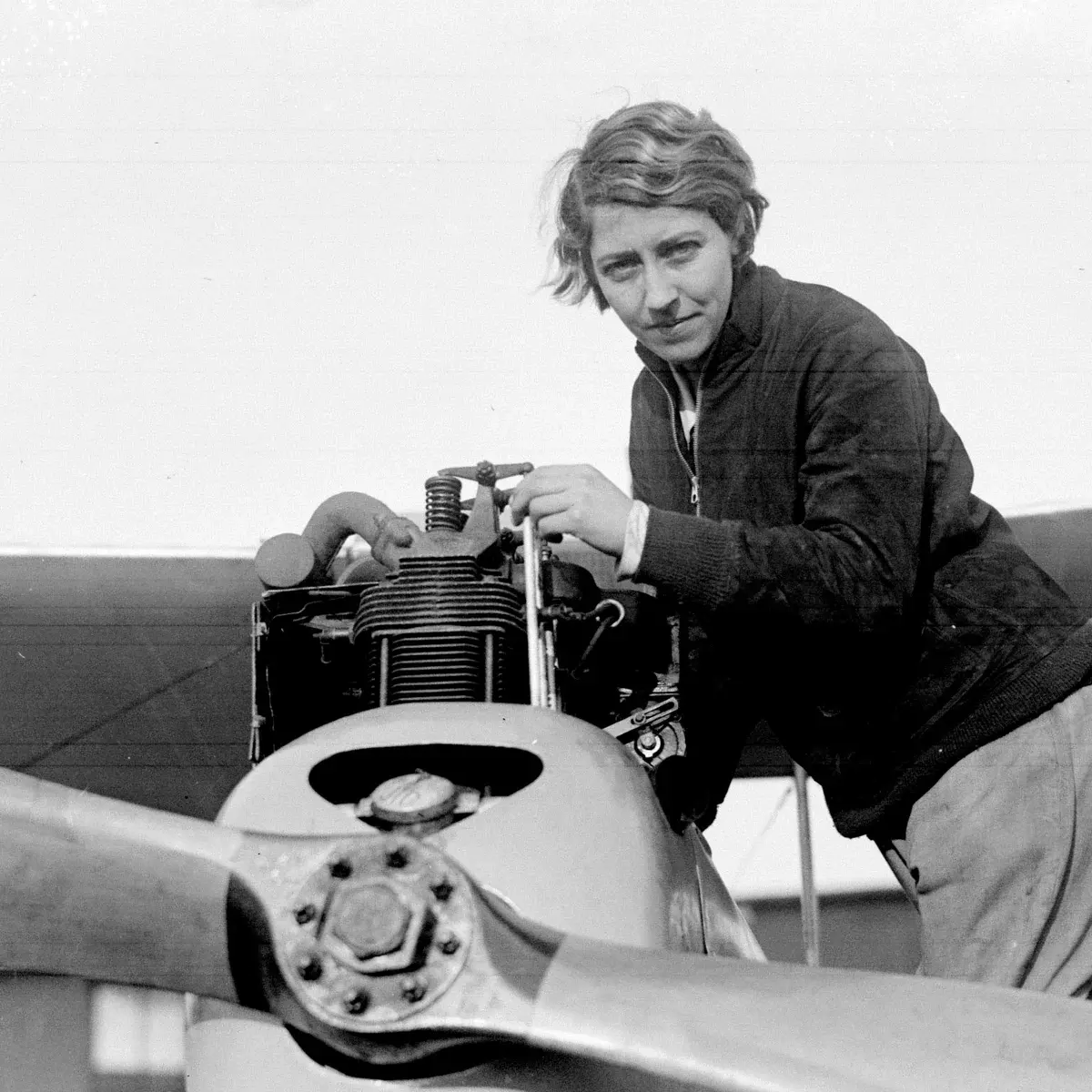
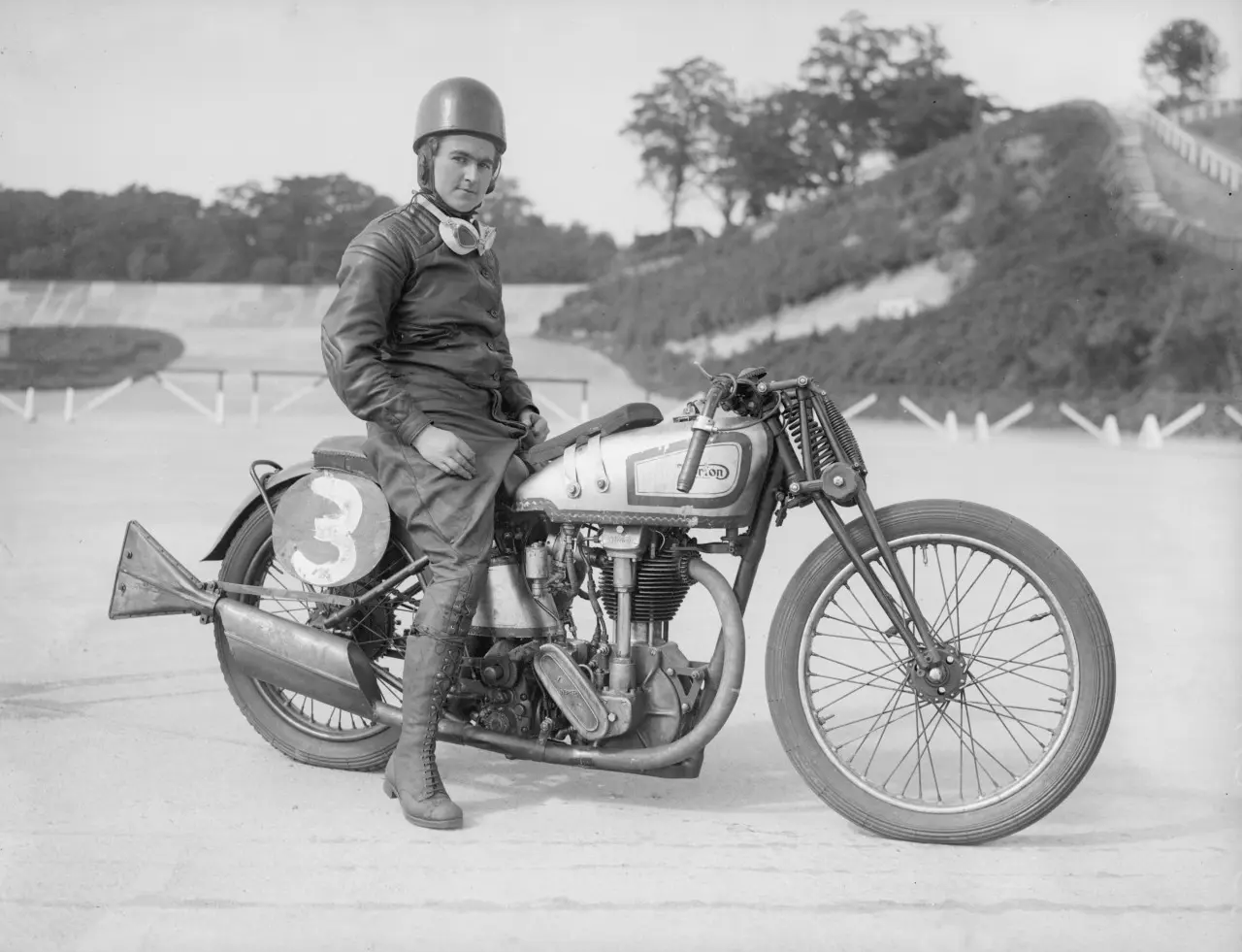
The stereotype is all the more striking because women have been part of British aviation engineering from the very beginning.
In 1911, Hilda Hewlett became the first woman in the UK to earn a pilot's licence, and went on to co-found Hewlett and Blondeau, one of Britain's early aircraft manufacturers. In 1929, a year before her famous solo flight to Australia, Amy Johnson became the first woman to gain the Air Ministry's ground engineer's licence.
During the Second World War, Beatrice "Tilly" Shilling, an engineer at the Royal Aircraft Establishment in Farnborough, solved a problem that was putting RAF pilots at risk. Merlin engines in Spitfires and Hurricanes could cut out in a dive. Her fix was a simple restrictor, fitted without taking aircraft out of service, and by March 1941 it was in use across RAF fighter stations.
Why being seen matters
Most people have never heard these names, and that is part of the problem. If a young person never meets an engineer, a pilot or an air traffic controller who looks like them, the path can feel closed before it has started.
A conversation at an airshow, a talk at a school or a badge on a lanyard can be the moment someone realises a career is open to them. Krystina does this herself as a STEM ambassador and mentor, speaking at events and on podcasts to encourage young women into engineering.
If you are considering a career in engineering or aviation, the Women's Engineering Society, the British Women Pilots' Association and The Air League all offer support, from mentoring to scholarships.
From one comment to a conversation starter
Krystina's own answer was to make the point impossible to miss. During lockdown she founded AviateHer, starting with a pin badge that reads "This is what an engineer looks like." The range has since grown to include pilots, scientists and physicists, and part of the proceeds from every item goes to charities working to improve diversity in STEM. Find out more at AviateHer.